Sora AI Video Prompt Examples and Cinematography Tips
Explore the boundaries of generative video with OpenAI Sora prompt examples. See how Kling AI vs Sora compare in generating cinematic text-to-video masterpieces.
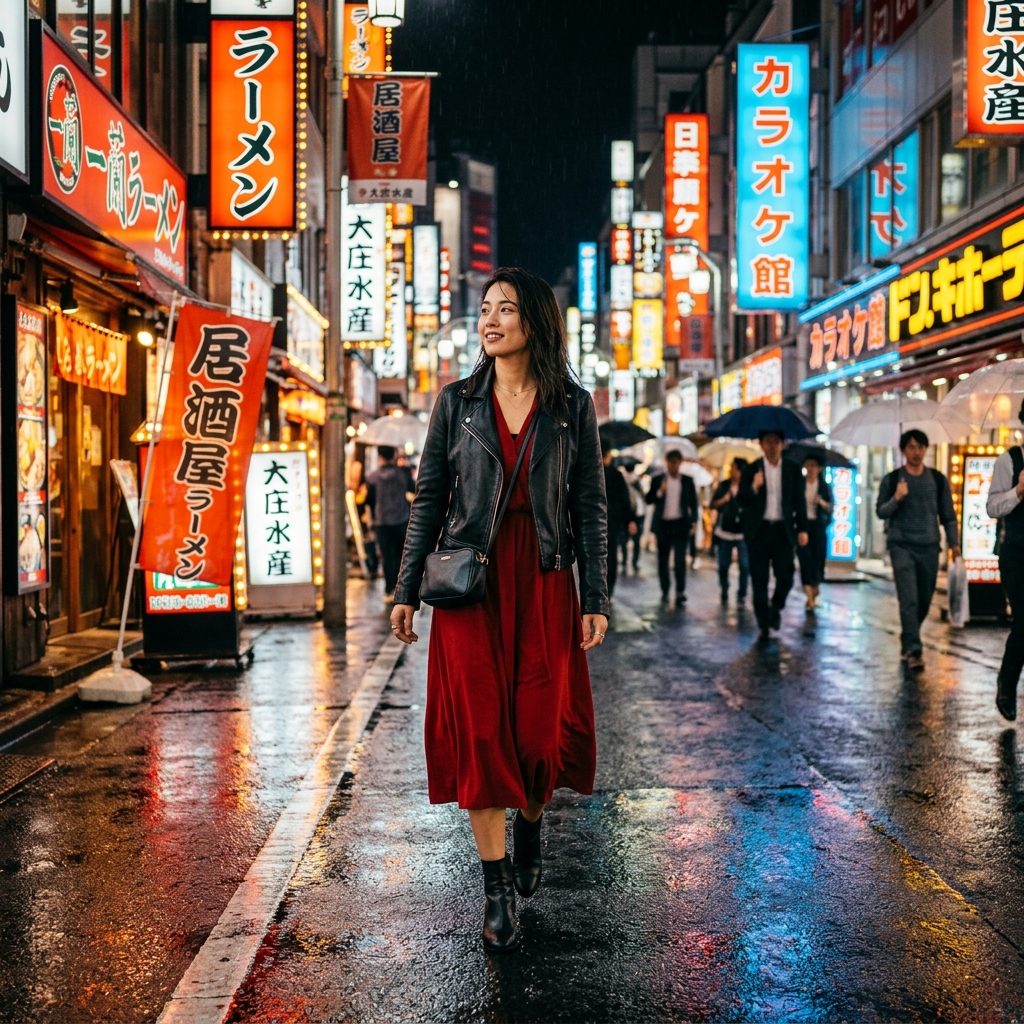
The Paradigm Shift of Sora When OpenAI first teased **Sora AI video**, the creative industry collectively dropped its jaw. We went from blurry, 3-second morphing nightmare videos to 60 seconds of pristine, physically accurate, multi-angle cinematic storytelling from a single text prompt.
While Sora represents a massive leap forward, getting the most out of it requires an entirely new level of prompt engineering. It requires you to be a writer, a director, and a cinematographer all at once.
Deconstructing OpenAI Sora Prompt Examples If you look closely at the official **OpenAI Sora prompt examples**, you'll notice a distinct pattern. They read like pages from a screenplay crossed with a technical camera manual.
Take this classic example: > *A stylish woman walks down a Tokyo street filled with warm glowing neon and animated city signage. She wears a black leather jacket, a long red dress, and black boots, and carries a black purse. She wears sunglasses and red lipstick. She walks confidently and casually. The street is damp and reflective, creating a mirror effect of the colorful lights. Many pedestrians walk about.*
Notice the extreme specificity? It dictates lighting ("warm glowing neon"), texture ("damp and reflective"), wardrobe, and attitude ("confidently and casually"). Sora uses this dense data to simulate the physics of the environment over time.
The Heavyweights: Kling AI vs Sora Sora isn't the only player in town anymore. The debate of **Kling AI vs Sora** is heating up.
Kling AI (developed by Kuaishou) is widely accessible and offers incredible capabilities, including up to 2-minute generations and robust real-world physics simulation (like eating food realistically, notoriously hard for AI). While Sora still holds a slight edge in pure photorealism and complex camera trajectories, Kling's accessibility makes it the current go-to for many AI filmmakers.